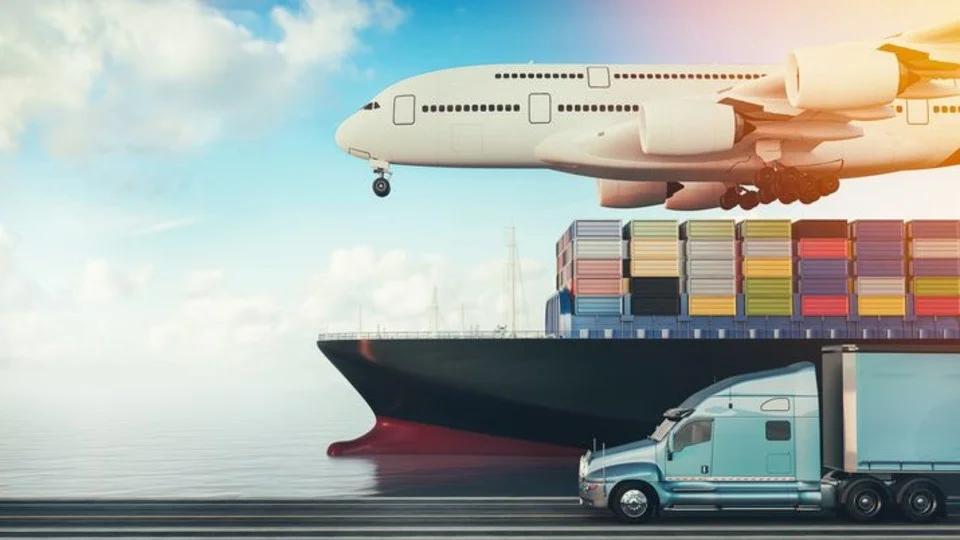
Modern logistics has transformed how families handle their relocations. Traditional coordination relied on numerous calls, delayed updates, and manual scheduling. Real transformation is visible as families discover seamless help through a trusted moving company philippines. These digital-driven systems create convenience through transparency and real-time tracking, shaping a new model for household mobility.
Rethinking Modern Household Transfers
Relocation used to mean paperwork, uncertainty, and long scheduling calls. Digital dispatch tools now simplify every arrangement, matching households with available trucks instantly. The result is a process centered on clarity rather than chaos.
Digital Dispatching And Route Efficiency
Routing algorithms analyze distance and timing in seconds. Delivery teams operate with precision, preventing unnecessary detours or idle time.
- Automated route adjustments based on live traffic
- Centralized updates visible to both crews and clients
- Smart notification systems reduce back-and-forth calls
- Data logs preserve accountability across multiple trips
These digital layers combine convenience with operational control, redefining household transfers.
On-Demand Fleet Coordination Methods
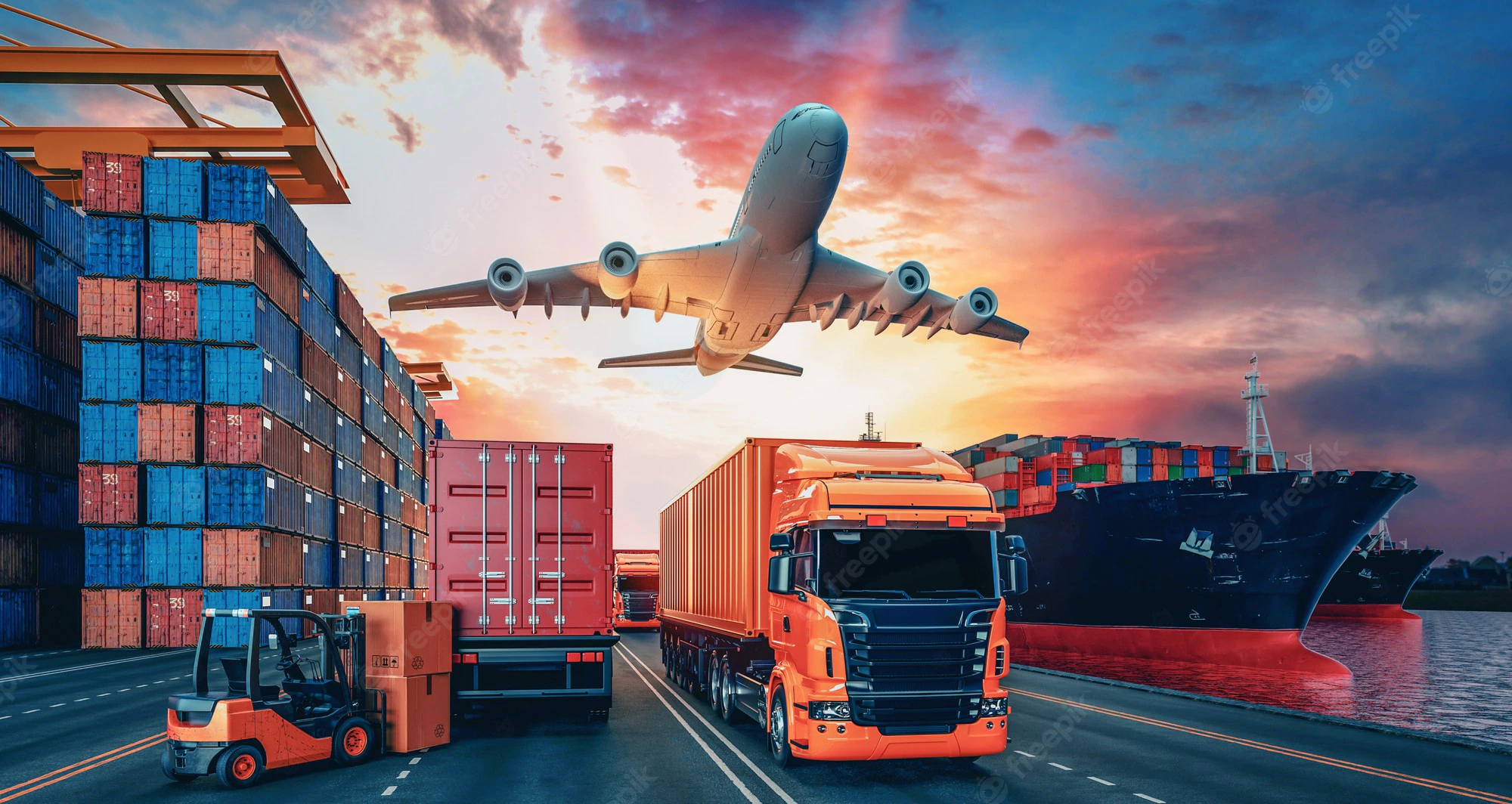
Fleet coordination is now at the heart of modern trucking. Drivers and clients now interact smoothly when a moving company philippines integrates digital routing tools. Shared platforms keep loading times balanced while ensuring consistent communication across every stage.
Smart Tracking For Home Logistics
Households no longer depend on guesswork to know delivery status. GPS-enabled systems provide constant visibility and prevent arrival delays.
- Real-time dashboards display truck positions instantly
- Predictive alerts signal estimated delivery changes
- Digital logs track each handover without paperwork
- Clients view all movements from one secure portal
Such visibility encourages trust while minimizing stress during relocation.
Collaborative Systems Streamlining Operations
Trucking companies now operate as synchronized networks rather than isolated units. Dispatchers, coordinators, and clients share a single communication stream. This alignment reduces errors and keeps every party aware of progress.
Evolving Expectations In Urban Deliveries
Urban density demands flexibility from transport providers. Smaller trucks, quicker routes, and dynamic booking slots dominate the new model. Service speed now matches consumer rhythm, leaving no room for prolonged scheduling conflicts.
Operators continue adjusting fleet capacity to match high-volume neighborhoods, ensuring faster turnover between trips. Digital booking systems also allow last-minute changes without breaking the schedule. These continuous refinements keep urban logistics precise, reliable, and customer-driven.
Seamless Adaptation Through Connected Services
As logistics continue modernizing, adaptability defines success. Intelligent coordination anticipates route changes before they occur, ensuring each delivery remains timely. The shift isn’t abrupt—it’s steady, practical, and deeply integrated into everyday urban movement.